

Optimize Your Workflow for Maximum Productivity
Parameter optimization, weld consistency improvements, cycle time reduction, scrap reduction, and workflow refinements for existing laser processes.
Most laser processes are functional. Fewer are optimized. If your process is producing parts but still dealing with inefficiencies, inconsistency, or unnecessary cost, there is usually room to improve. Li10 works with your team to close that gap.
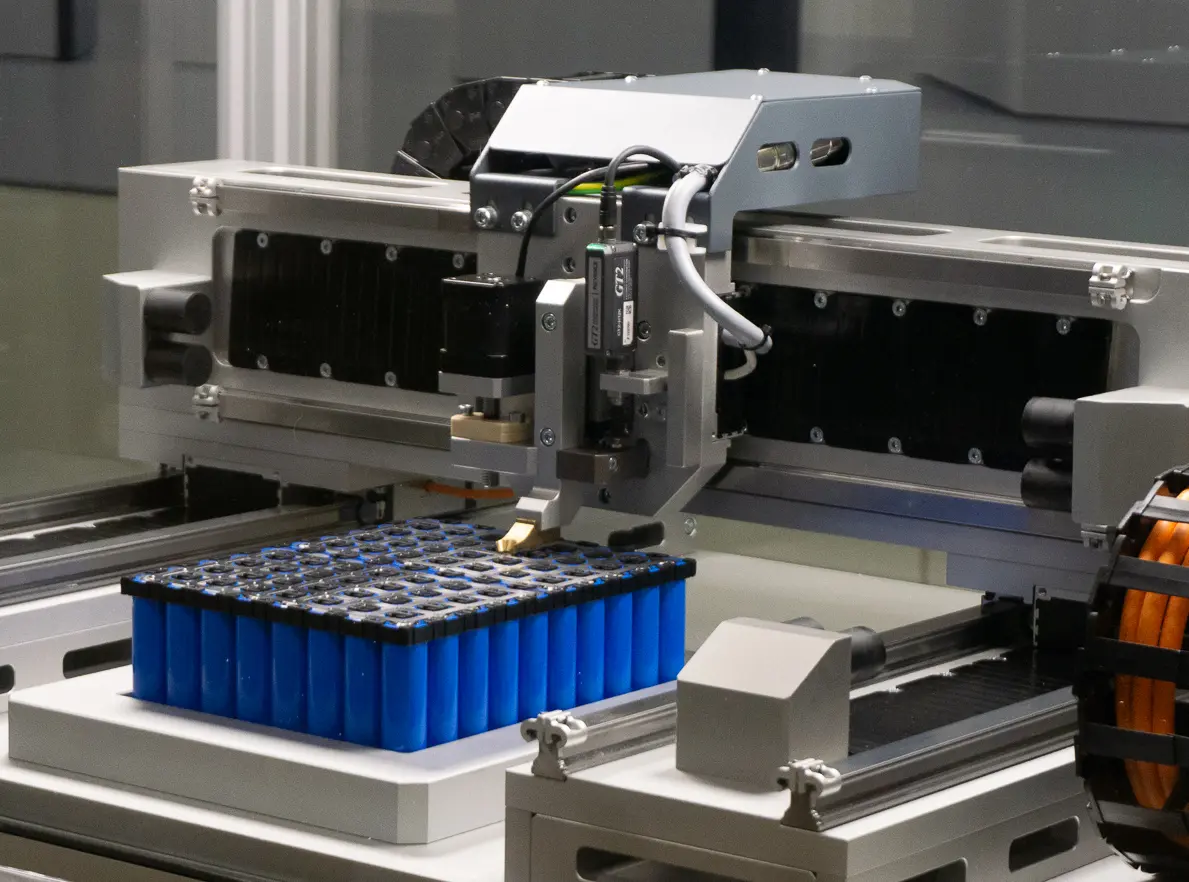
Functional Is Not Always Optimized
A laser process can be producing acceptable parts and still leave performance on the table. Cycle time may be longer than it needs to be, operators may be working around avoidable steps, or weld consistency may require too much attention to maintain.
Li10 takes a practical, hands-on approach to figure out what is holding performance back, then makes targeted improvements that are realistic for your actual production environment.
The Outcome
The goal is not change for the sake of change. The goal is a more stable, productive, and cost-effective laser process.
Where We Add Value
We work directly with your team to refine and improve your existing laser processes. Sometimes improvement comes from adjusting parameters. Other times it comes from workflow, fixturing, operator interaction, or the way the process is measured and maintained.
Laser Parameter Optimization
Fine-tune the process window to improve stability, quality, cycle time, and repeatability.
Weld Consistency and Quality Improvements
Identify causes of variation and improve the process so production results are more predictable.
Cycle Time Reduction
Review the process for opportunities to reduce time without sacrificing weld quality or process control.
Scrap and Rework Reduction
Target the issues that create nonconforming parts, unnecessary touch-up, or repeat production interruptions.
Operator Workflow Improvements
Improve how operators interact with the system so the process is easier to run consistently.
Targeted Improvements That Stick
Li10 focuses on practical changes that can be adopted by your team and maintained in real production.
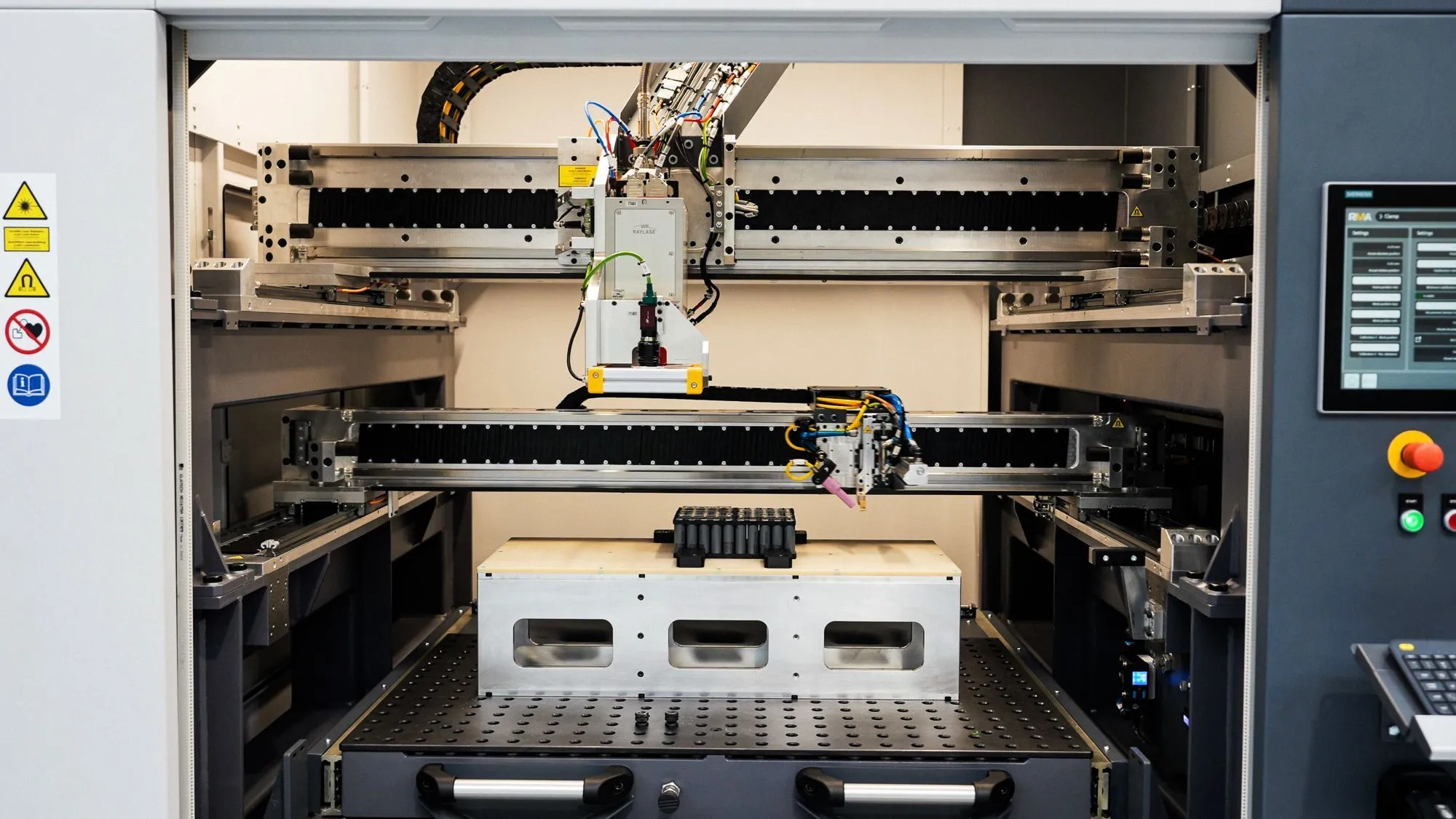
Workflow, Quality, and Throughput
Improvement may come from parameters, workflow, operator habits, part handling, inspection, or how the process is controlled.
Get More From the Process You Already Have
If your process feels close but not quite where it should be, Li10 can help you identify the bottlenecks, reduce avoidable variation, and improve performance without jumping straight to new equipment.
Stabilize Production
Reduce variation and make the process easier to repeat from shift to shift and part to part.
Improve Weld Quality
Refine the process to support better, more consistent weld results and fewer quality concerns.
Reduce Waste
Lower scrap, rework, and avoidable process interruptions that drive up total cost per part.
Increase Throughput
Find opportunities to produce more efficiently without simply adding more labor or equipment.
Get More From Your Process
If your laser process feels close but not quite where it should be, Li10 can help you close the gap. Tell us what you are trying to improve, what is slowing you down, and what results you want to see.
Tell Us What You Want to Improve
Share your current process, pain points, and the performance goals you are trying to reach.
Use this form to reach Li10 about laser parameter optimization, weld consistency, cycle time reduction, scrap reduction, operator workflow improvements, or general laser process improvement questions.
If you would rather speak with someone before filling out the form, contact Li10 directly and we can help route your request.
Contact Li10Laser Process Improvement Services FAQ
What are laser process improvement services?
Laser process improvement services help manufacturers refine existing laser processes to improve weld quality, repeatability, cycle time, scrap rates, workflow, and overall production efficiency.
Can Li10 optimize laser welding parameters?
Yes. Li10 can help evaluate and optimize laser welding parameters to improve stability, quality, repeatability, and production performance.
Can process improvement reduce scrap and rework?
Yes. By identifying the causes of variation, inefficiency, or quality drift, process improvement can help reduce scrap, rework, and avoidable production interruptions.
Can Li10 help reduce laser welding cycle time?
Yes. Li10 can review the process for cycle time reduction opportunities while keeping weld quality, process control, and production reliability in mind.
Does Li10 help with operator workflow improvements?
Yes. Li10 can help identify workflow issues that make the process harder to run consistently, including operator interaction, process flow, handling steps, and production habits.
Do we need to buy new equipment to improve our laser process?
Not always. Many improvements can come from parameter refinement, workflow changes, operator practices, part handling, or better process control before new equipment is considered.
How do I start a laser process improvement request?
Submit the process improvement form with details about the system, material, part, current pain points, and what performance goals you want to reach. Li10 can then review the application and recommend the next step.