

Bodor Laser Cutting Machinery
Li10 + Bodor Laser Solutions
Li10 is proud to be the North American sales and service partner for Bodor Laser Systems.

Recognized for global laser cutting machine sales volume from 2019 to 2025.

Long-term confidence for manufacturers investing in serious laser cutting capability.
Li10 helps manufacturers match the right Bodor laser system to their parts, materials, floor space, and production goals.
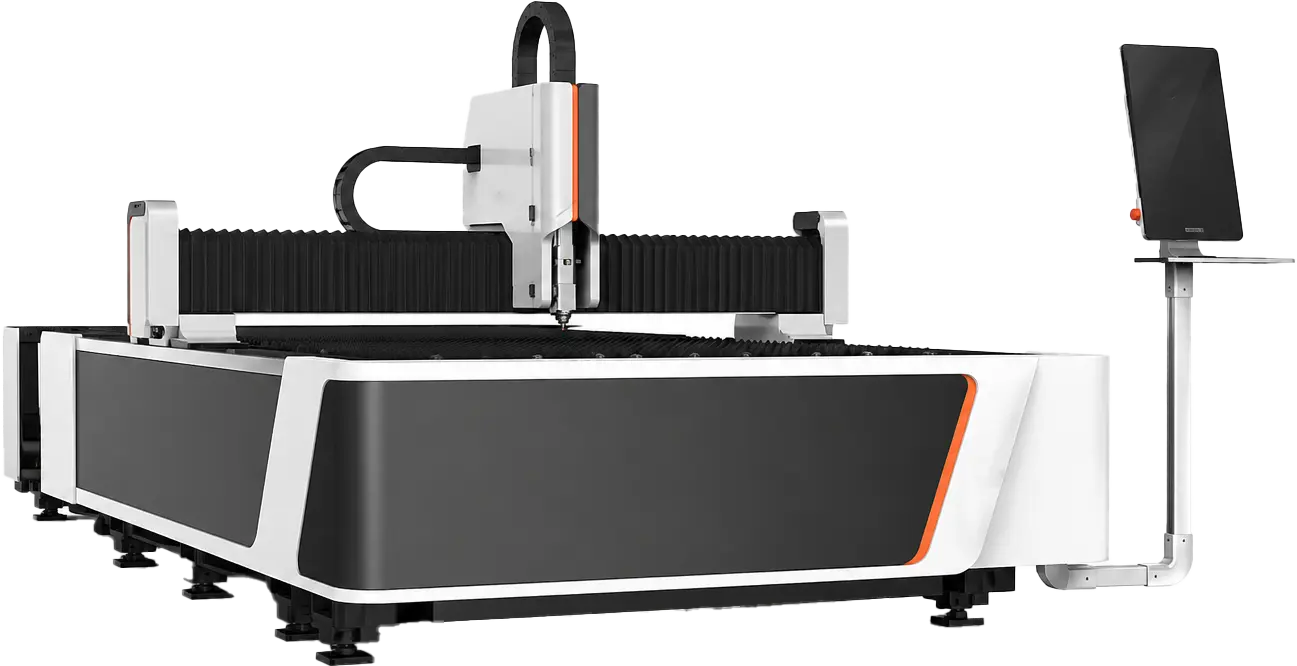
Discuss Your ApplicationBodor laser systems support modern metal fabrication with sheet laser cutting machines, tube laser cutting machines, sheet-and-tube combination systems, automation devices, special profile cutting systems, and handheld laser welding solutions.


We are excited to hear from our customers. Call us now or fill out our contact form.
Quick answer: Bodor offers fiber laser cutting machines for sheet metal, tube cutting, sheet-and-tube combination cutting, automation, special profile cutting, and laser welding applications.
The details: Bodor equipment is built for manufacturers and fabricators that need fast, precise metal processing. Depending on the application, a shop may choose a flat sheet laser, a dedicated tube laser, a combination sheet-and-tube system, an automated loading system, or a handheld laser welding solution.
Li10 helps customers review their material mix, part sizes, production volume, floor space, and long-term goals to determine which Bodor solution is the best fit.
Quick answer: Bodor fiber laser cutting machines are commonly used to cut mild steel, stainless steel, aluminum, galvanized steel, brass, copper, and other reflective or non-ferrous metals depending on the machine configuration.
The details: Fiber laser technology is a strong fit for metal fabrication because it can process a wide range of industrial metals with high speed and accuracy. The best machine configuration depends on material type, thickness range, assist gas strategy, edge quality expectations, and production requirements.
Li10 can help evaluate your most common materials and thicknesses so the selected Bodor machine matches your real production work instead of only a theoretical cutting chart.
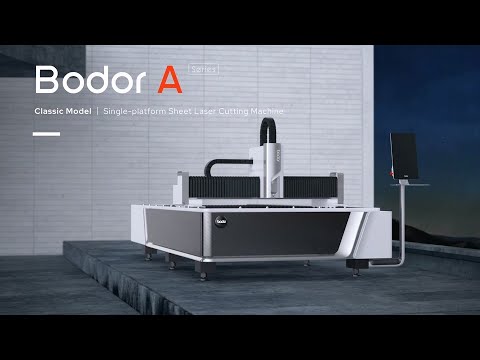
Quick answer: A sheet laser is designed to cut flat metal sheets and plates, while a tube laser is designed to cut round, square, rectangular, and profile tubing.
The details: Sheet laser cutting is ideal for flat blanks, brackets, panels, cabinets, enclosures, plates, and nested parts. Tube laser cutting is designed for structural tube, frames, furniture components, railings, equipment parts, and tubular assemblies.
Some shops need both capabilities. In those cases, a sheet-and-tube combination laser may be a practical way to expand flexibility without purchasing two separate systems.
Quick answer: A sheet-and-tube combination laser can make sense when a shop regularly cuts both flat sheet metal and tube or pipe material, but does not need the full throughput of two dedicated machines.
The details: Combination machines are often a good fit for smaller and mid-sized fabricators that need more versatility from one laser system. They can help support mixed production, prototype work, job shop cutting, and shops that want to bring more outsourced cutting in-house.
For higher-volume tube production, a dedicated tube laser may still be the better choice. Li10 helps customers compare flexibility, throughput, floor space, budget, and future growth before selecting a machine style.
Quick answer: The right laser power depends on the materials you cut, thickness range, desired speed, edge quality, assist gas strategy, production volume, and budget.
The details: Higher laser power can improve cutting speed and expand thickness capability, but more power is not always the best answer for every shop. If most of your work is thin sheet metal, the best return may come from a balanced machine configuration rather than maximum wattage.
Li10 helps customers evaluate the parts they cut most often, the jobs they want to pursue, and the production bottlenecks they need to solve. That review helps narrow down the right machine platform, laser power, automation level, and support equipment.
Quick answer: Yes. Many shops invest in fiber laser cutting to bring more cutting work in-house, shorten lead times, improve scheduling control, and reduce dependency on outside suppliers.
The details: Outsourced laser cutting can create delays, minimum order quantities, rush charges, and less control over production priorities. Adding a Bodor fiber laser can help a shop cut parts when needed, revise designs faster, support prototypes, and respond more quickly to customer demand.
Li10 can help compare the cost of outsourcing against machine ownership, including part volume, material usage, labor, operating costs, financing, and potential new revenue opportunities.
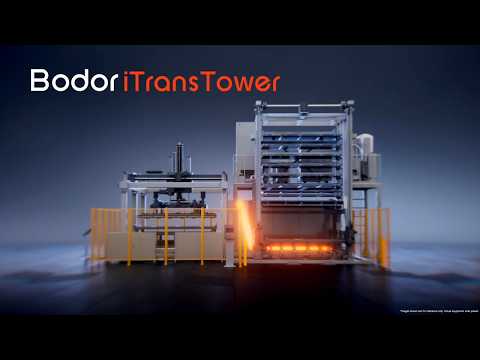
Quick answer: Bodor offers automation options that can support material loading, unloading, storage, and higher-throughput laser cutting workflows depending on the machine and production requirements.
The details: Automation can help reduce manual handling, improve machine utilization, support longer cutting runs, and make laser production more consistent. For shops running multiple shifts or high-volume production, automation may be just as important as the laser power itself.
Li10 helps customers determine whether manual loading, shuttle tables, load/unload automation, or more advanced material handling options make sense for the way their shop operates.
Quick answer: Yes. Bodor tube laser systems can support round tube, square tube, rectangular tube, pipe, and certain profile materials used in structural and fabrication applications.
The details: Tube laser cutting can replace multiple manual steps, including sawing, drilling, coping, slotting, notching, and layout work. This can improve accuracy, reduce handling, and make downstream welding and assembly more repeatable.
Tube lasers are especially useful for frames, racks, railings, furniture, agricultural equipment, fitness equipment, trailers, automotive components, and other welded tube assemblies.
Quick answer: Yes. Bodor offers laser welding equipment for shops that want to improve welding speed, reduce heat distortion, and produce cleaner welds with less post-weld cleanup.
The details: Handheld laser welding can be a strong fit for stainless steel, mild steel, aluminum, sheet metal, cabinets, enclosures, frames, and cosmetic weld applications. It can help shops reduce grinding, improve consistency, and train operators faster compared with some traditional welding workflows.
Li10 can help evaluate whether Bodor laser welding equipment is a good fit for your materials, part geometry, safety requirements, and production goals.
Quick answer: Bodor fiber laser cutting machines are used by job shops, metal fabricators, OEM manufacturers, machinery builders, automotive suppliers, agricultural equipment manufacturers, HVAC shops, architectural metal shops, and general industrial manufacturers.
The details: Fiber laser cutting is useful anywhere metal parts need to be cut quickly, accurately, and repeatedly. Common applications include brackets, panels, cabinets, frames, guards, enclosures, signs, structural components, tube assemblies, and production parts.
Li10 helps customers match the machine to the work they actually want to produce, whether that means flexible job shop cutting, dedicated production, tube processing, or a path toward automation.
Quick answer: Yes. Li10 can help customers evaluate Bodor equipment, compare machine types, review applications, plan implementation, and support the buying process.
The details: Choosing a fiber laser cutting machine involves more than selecting a model from a brochure. The right system depends on material types, thicknesses, part sizes, production volume, automation needs, assist gas plans, floor space, operator experience, and growth goals.
Li10 helps customers think through the full investment, including machine selection, application fit, workflow planning, laser safety, training needs, support expectations, and long-term production value.
We use cookies to improve your experience. Privacy Policy.